
Understanding the Two Major Classes: High-End Recreational Properties vs. Production Acreage
Private land falls into two distinct classes: raw production tracts and completed recreational estates. An often-overlooked opportunity sits at the top of the production class, a zone occupied by four-to-five million dollar properties with the physical foundations to transition into premium sporting retreats through active, long-term stewardship.
The difference between a sub-five-million-dollar commercial timber tract and a thirty-million-dollar legacy estate is not just a matter of acreage. One is a raw commodity asset; the other is a finished masterpiece. They are entirely separate classes of property.
The Price of Time
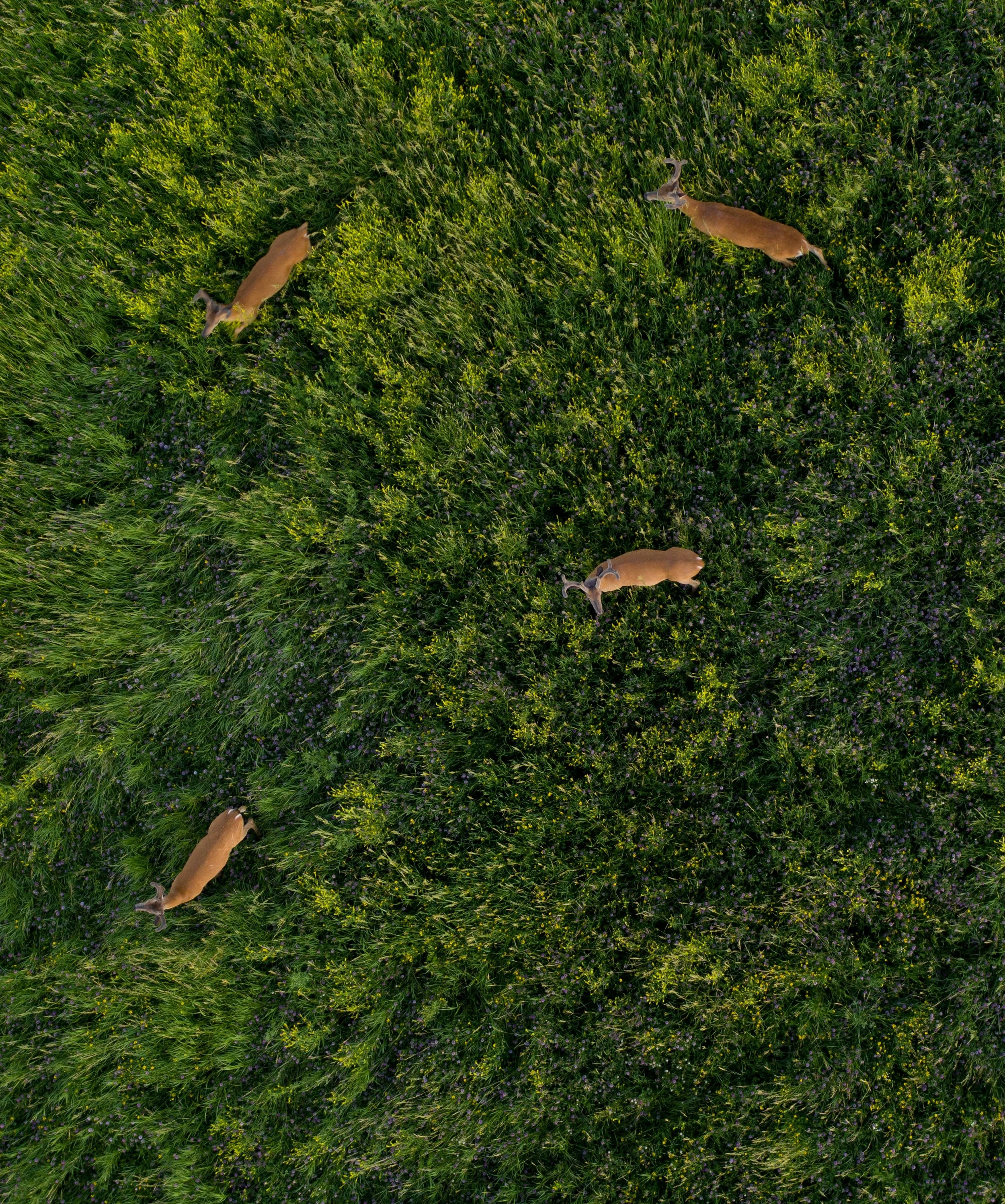
Developing a top-tier property for game hunting takes time.
When a premier sporting property brings a high price, people often focus on the big lodge or the fancy gates. The real asset is time. A buyer is paying for twenty or thirty years of prescribed burns, selective timber cuts, and intensive habitat conservation that cannot be rushed.
Most owners spend those decades putting in the capital because they care deeply about the conservation of a species or a specific habitat. For an owner who wants immediate personal use with his family, that premium price represents a position of strength. It is a fair exchange for decades of another person’s hard work and care. These properties can command premium prices because they are most often worth the extra cost.
The Top of the Production Class
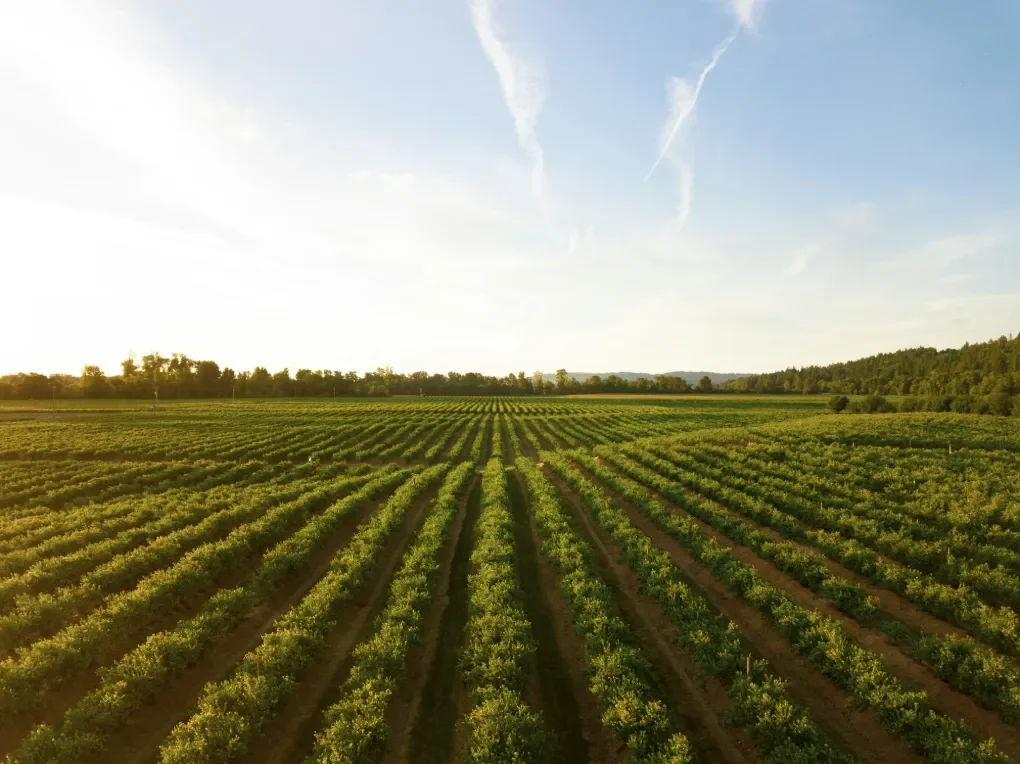
Production land is structured solely for recurring revenue.
At the other end of the market are traditional farm and timber tracts. These properties run strictly on the books: tons of wood per acre, crop yields, and soil indexes. They are built for steady commodity revenue, and enjoyment of the land is a secondary thought at best.
The sharpest opportunities sit right at the top of this production class. These properties are still priced as raw timber or farm ground, but they possess the same physical foundations as a legacy estate. They have the correct soil profiles, the established water sources, and the biological capacity to support intensive conservation work. They are simply unfinished.
Bridging the Gap
For a value-add buyer, this transition point is where real equity is built. You secure the right foundation at a baseline price and use active land management to guide the property across the gap over a decade or two. You are not buying someone else's choices; you are capturing the long-term appreciation yourself.
But you have to know what the dirt can handle before you sign the paperwork. Changing a property from a raw production tract into a premier retreat that still manages to be a financial asset means crossing a significant gap between the classes. Not all land is created equal. If the soil hydrology is wrong, you will spend a fortune fighting the ground.
Success requires answering one critical question before you buy: can this specific piece of ground actually become what you want it to be? True expertise means looking past the surface to see the hidden foundations of the property. We look at the land through the eyes of a land manager because we handle real-world land problems every day. We help buyers see a predictable roadmap before they buy, and we help legacy sellers tell the story of what they built so they get every dime their land is worth at the closing table.
Looking for a property where you can build your legacy? Contact us today to explore the available options.
Technical Note & Strategic FAQ
-
Production acreage is appraised primarily on its liquid commodity value, using merchantable timber inventory data and soil productivity indices. A high-end recreational asset incorporates these baselines but adds an intrinsic premium calculated from biological carrying capacity, wildlife demographic history, and established habitat diversity. This division prevents cross-class comparison without a dedicated asset-conversion analysis.
-
We perform a comprehensive site analysis using geographic information systems (GIS) and digital elevation models (DEM) to audit soil hydrology and watershed flow. This technical analysis ensures the underlying soil profiles can support complex conservation plans such as wild quail configurations or managed waterways without creating long-term structural liabilities.